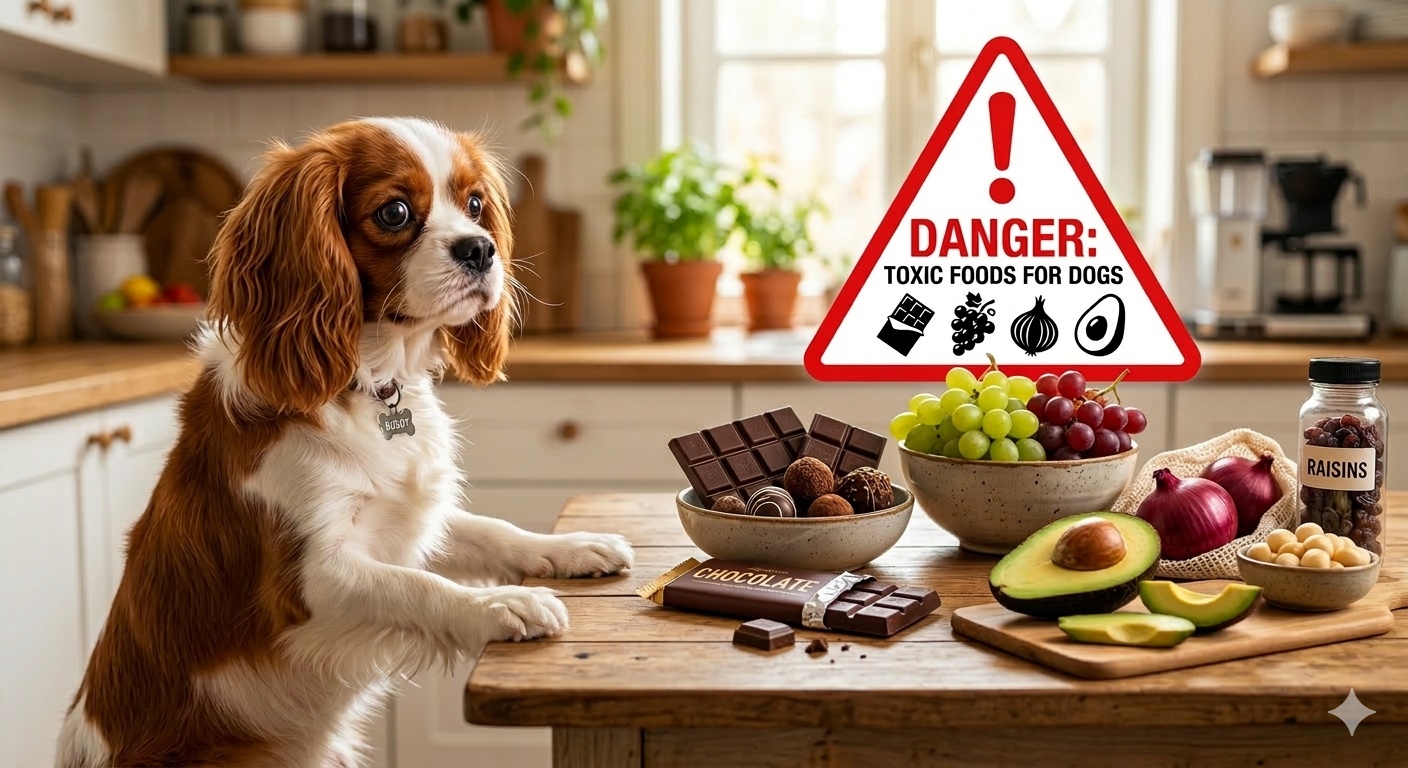
7 Foods You Should Never Give Your Dog (And Safe Alternatives)
Dogs are naturally curious animals, and many of them will happily eat almost anything their owners offer. While sharing food with your dog may seem like a loving gesture, some common human foods can actually be extremely dangerous—even deadly—for dogs.
Many pet owners are unaware that foods sitting in their kitchen every day could cause poisoning, organ damage, or severe illness in their pets. Understanding which foods are unsafe can help you protect your dog and keep them healthy for years to come.
In this guide, we’ll explore several foods that dogs should never eat, explain why they are dangerous, and provide safer alternatives that your furry friend can enjoy.
1. Chocolate
Chocolate is one of the most well-known foods that dogs should never consume. It contains substances called theobromine and caffeine, which are toxic to dogs.
Unlike humans, dogs cannot metabolize theobromine effectively. As a result, even small amounts can build up in their system and cause poisoning.
Why Chocolate Is Dangerous
- Vomiting
- Diarrhea
- Rapid heart rate
- Restlessness or hyperactivity
- Tremors and seizures
- In severe cases, death
Dark chocolate and baking chocolate are especially dangerous because they contain higher concentrations of theobromine.
Safe Alternatives
- Dog-safe peanut butter treats
- Carrot sticks
- Apple slices (without seeds)
- Dog treats made specifically for pets
Some pet stores also sell carob-based treats, which resemble chocolate but are safe for dogs.
2. Grapes and Raisins
Grapes and raisins may seem harmless, but they are extremely toxic to dogs. Even small amounts can cause acute kidney failure.
Scientists still do not fully understand why grapes are toxic to dogs, but the reaction can occur even after eating only a few grapes.
Symptoms of Grape Poisoning
- Vomiting
- Loss of appetite
- Lethargy
- Dehydration
- Reduced urine production
- Kidney failure
Safe Fruit Alternatives
- Blueberries
- Watermelon (seedless)
- Banana slices
- Strawberries
3. Onions
Onions—whether raw, cooked, powdered, or dried—are highly toxic to dogs. They contain compounds called thiosulfates, which damage red blood cells and can lead to a condition called hemolytic anemia.
Foods That May Contain Onions
- Soups and broths
- Pizza toppings
- Onion powder seasoning
- Processed meats
- Fast food
Symptoms of Onion Toxicity
- Weakness
- Pale gums
- Rapid breathing
- Dark-colored urine
- Fatigue
Safe Alternatives
- Plain cooked chicken
- Boiled sweet potatoes
- Steamed green beans
Always serve these foods without seasoning.
4. Garlic
Garlic belongs to the same family as onions and is also dangerous for dogs. In fact, garlic is often more toxic than onions.
Garlic toxicity can occur if dogs consume raw garlic cloves, garlic powder, or foods seasoned with garlic.
Symptoms of Garlic Poisoning
- Vomiting
- Weakness
- Loss of appetite
- Pale gums
- Lethargy
Safe Alternatives
- Plain pumpkin puree
- Cooked rice
- Small portions of plain yogurt
5. Avocado
Avocados contain a substance called persin, which can be harmful to dogs in large amounts. While small amounts of avocado flesh might not always cause severe problems, the pit and skin can be dangerous.
Potential Risks
- Vomiting
- Diarrhea
- Stomach upset
The avocado pit also presents a choking hazard and may cause intestinal blockage.
Safer Treats
- Cucumber slices
- Cooked pumpkin
- Zucchini
6. Alcohol
Alcohol is extremely dangerous for dogs—even in very small amounts. Dogs are far more sensitive to alcohol than humans.
Possible Sources of Alcohol Exposure
- Beer or wine
- Liquor
- Fermented dough
- Alcohol-based desserts
- Mouthwash or household products
Symptoms of Alcohol Poisoning
- Vomiting
- Difficulty breathing
- Lack of coordination
- Tremors
- Seizures
- Coma
Alcohol poisoning is a medical emergency and requires immediate veterinary attention.
7. Xylitol
Xylitol is an artificial sweetener commonly found in many sugar-free products such as gum, candy, baked goods, and even peanut butter.
While harmless to humans, xylitol is extremely toxic to dogs.
Why Xylitol Is Dangerous
When dogs ingest xylitol, it triggers a rapid release of insulin, causing blood sugar levels to drop dangerously low.
- Hypoglycemia (low blood sugar)
- Liver failure
- Seizures
- Death
Symptoms of Xylitol Poisoning
- Weakness
- Vomiting
- Tremors
- Loss of coordination
- Seizures
Always check ingredient labels before giving your dog peanut butter or other human foods.
Tips to Keep Your Dog Safe
- Store food securely and out of reach
- Avoid feeding dogs from the dinner table
- Check ingredients in processed foods
- Educate family members about unsafe foods
- Consult your veterinarian if you are unsure about a food
Final Thoughts
Dogs rely on their owners to make safe choices for them. While many human foods may seem harmless, some can cause serious health problems or even be fatal.
By avoiding dangerous foods like chocolate, grapes, onions, garlic, avocado, alcohol, and xylitol, you can help protect your dog from unnecessary risks.
Instead, choose healthy, dog-safe treats that provide nutrition and enjoyment without the dangers. With a little awareness and caution, you can ensure your furry companion lives a happy and healthy life.